




Membrane leak detection sensor
Vendors's code:
Product code: EM300-MLD-868M
Barcode:
Code 39:
ISBN:
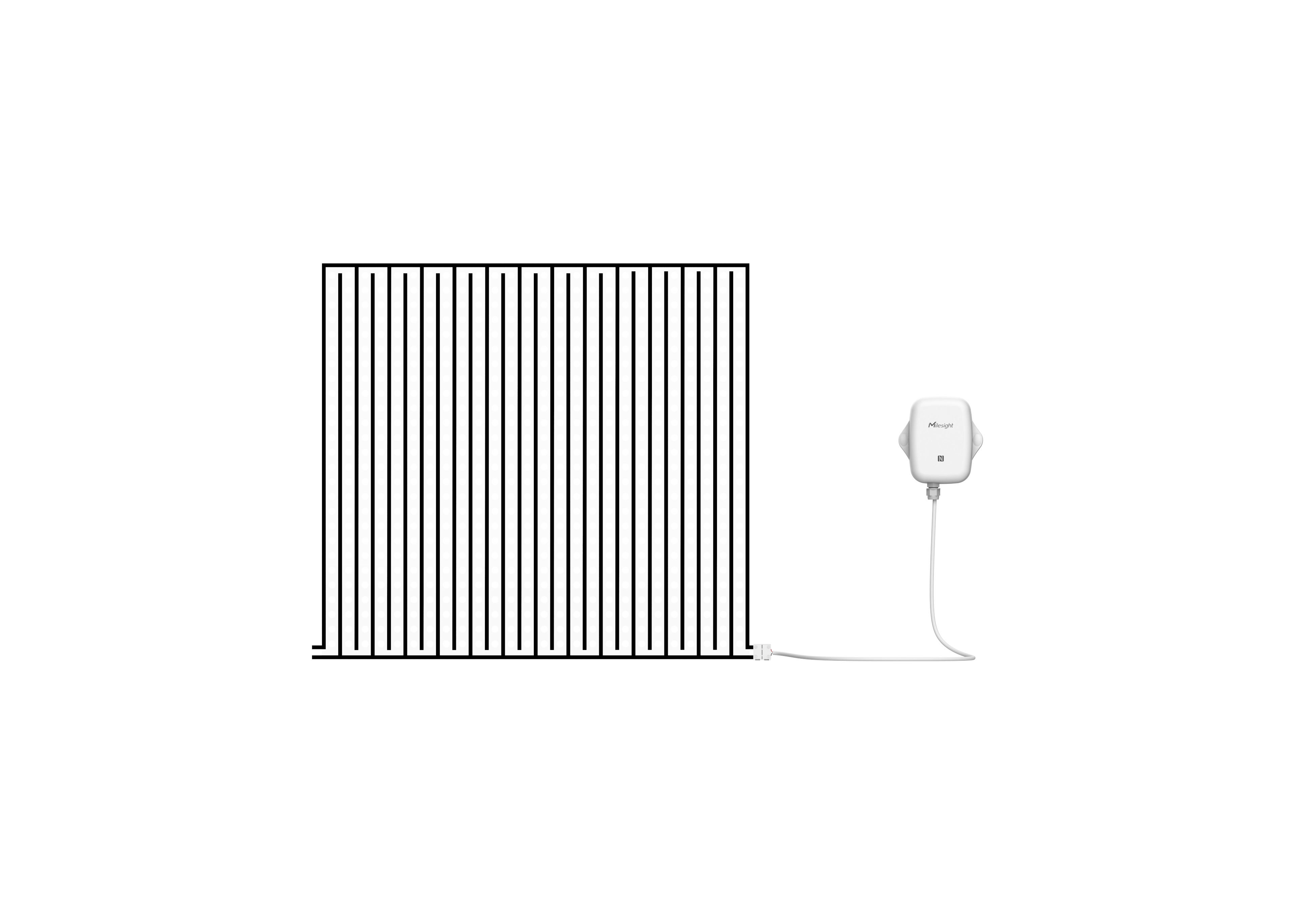
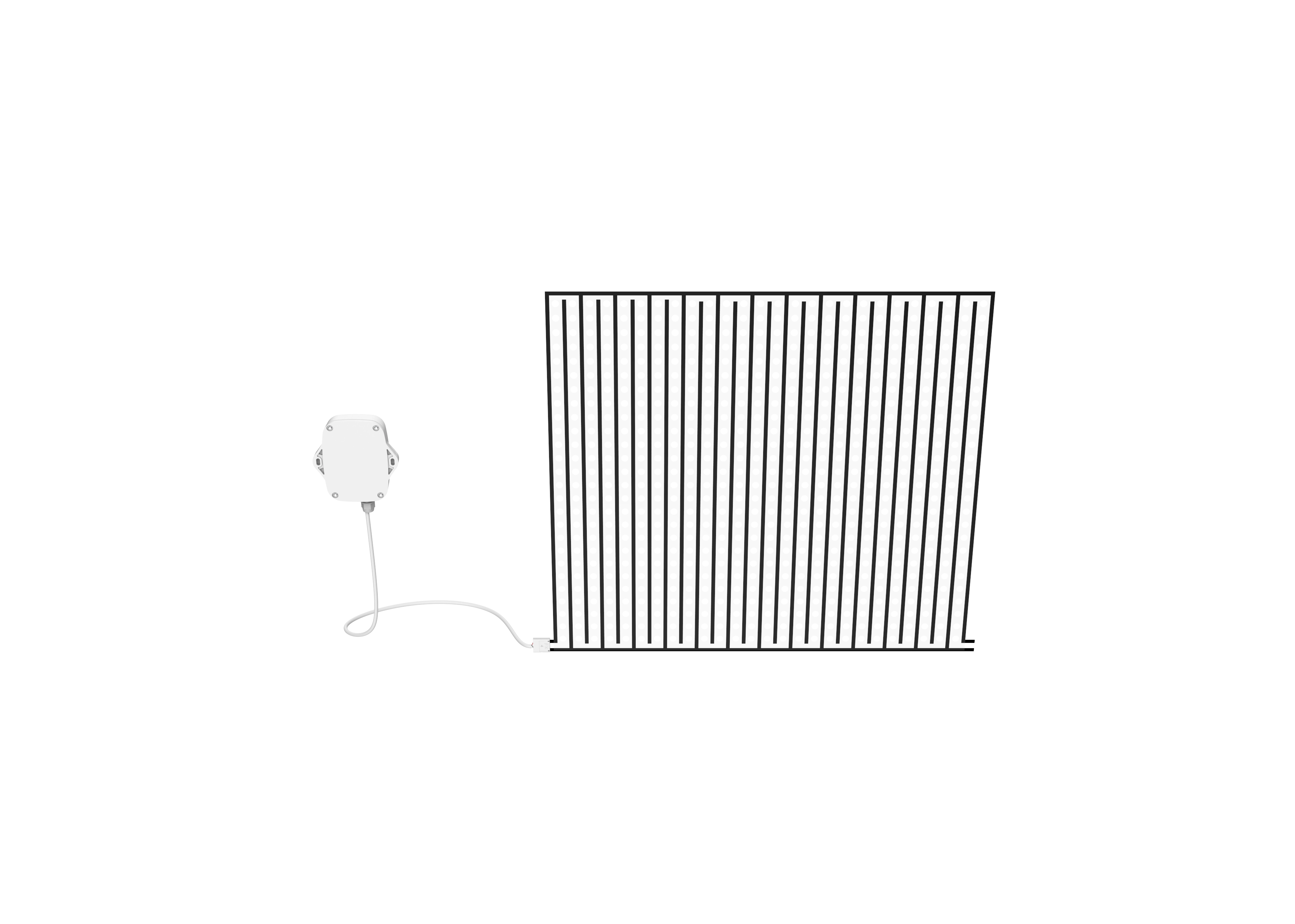
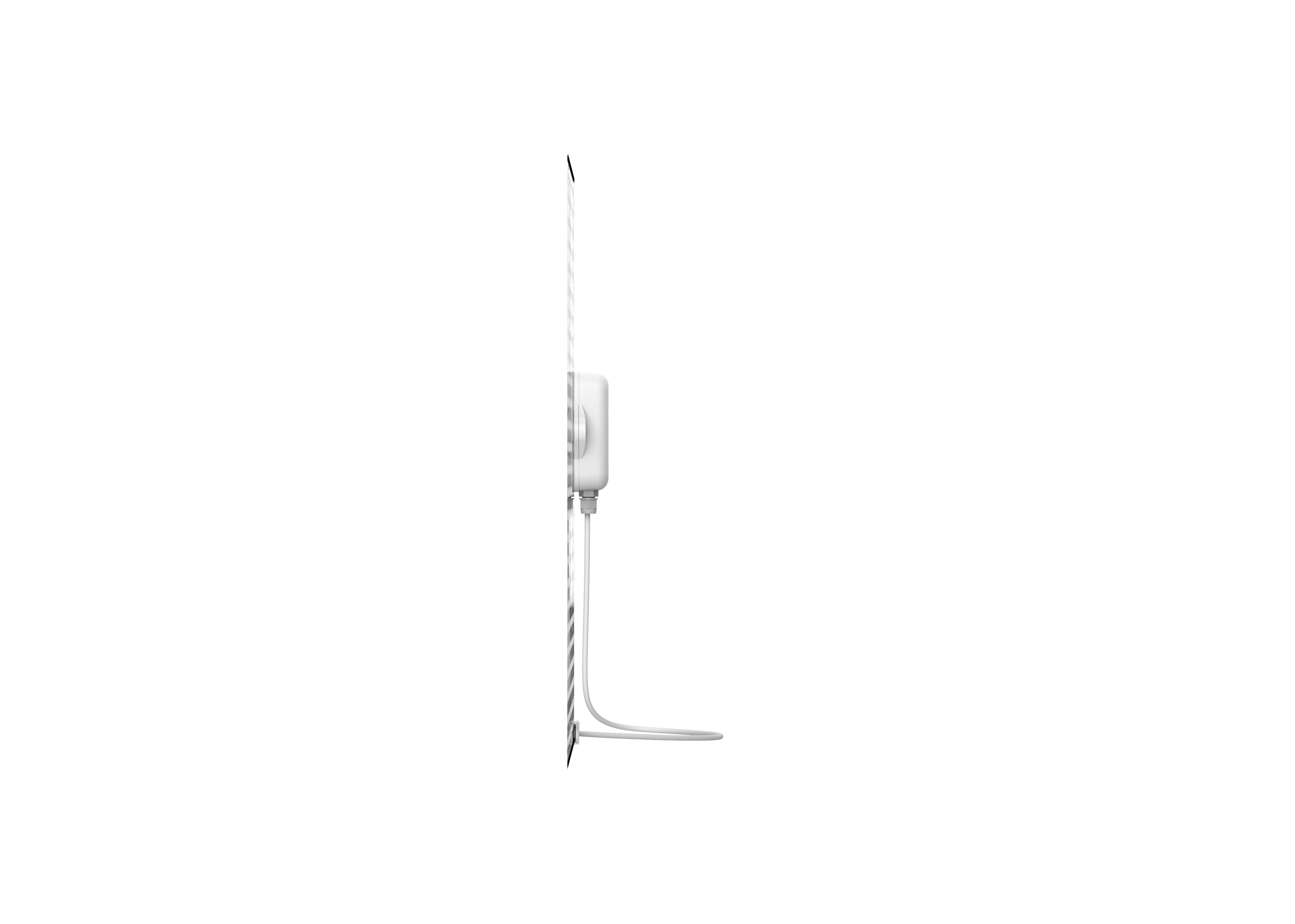
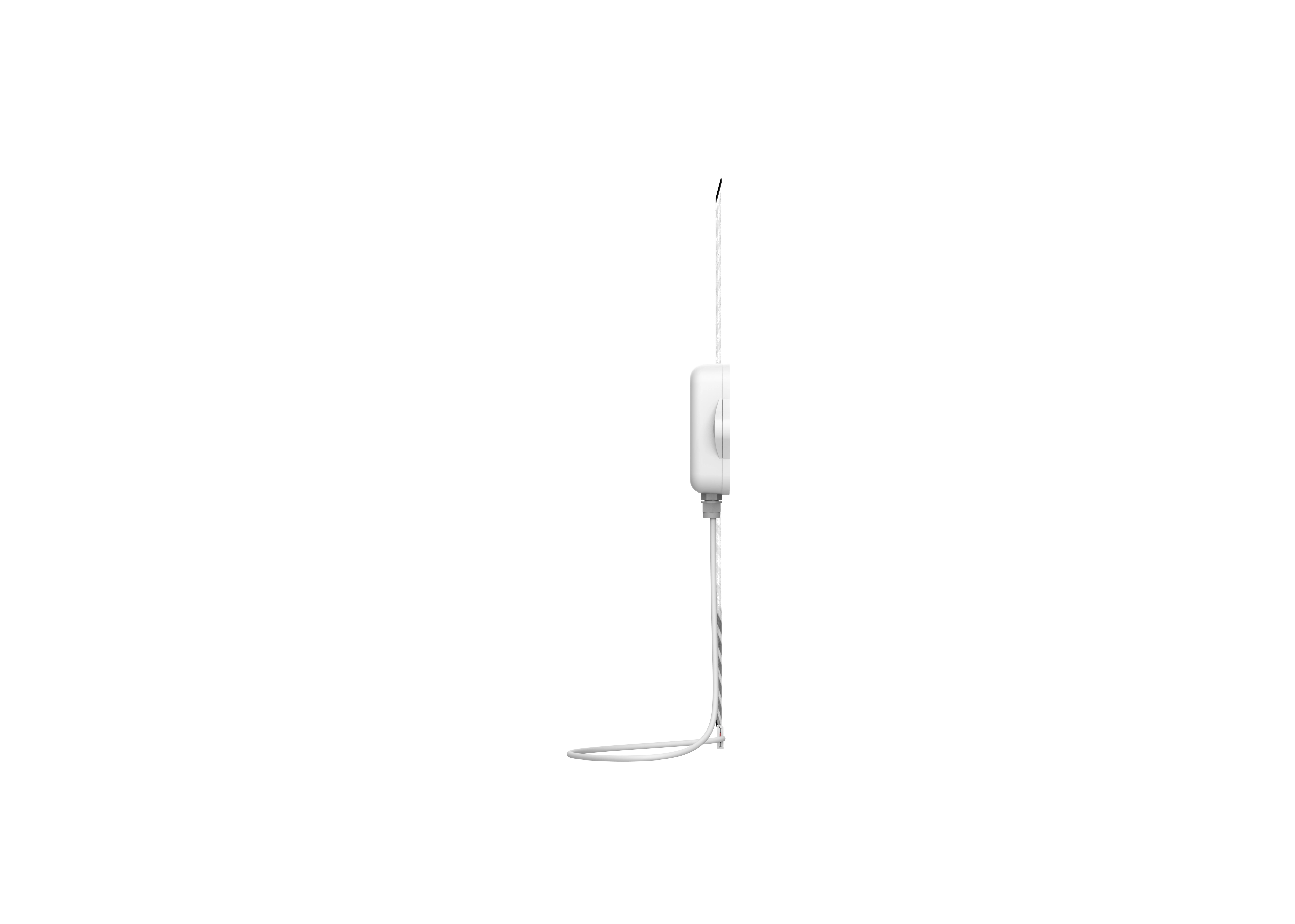
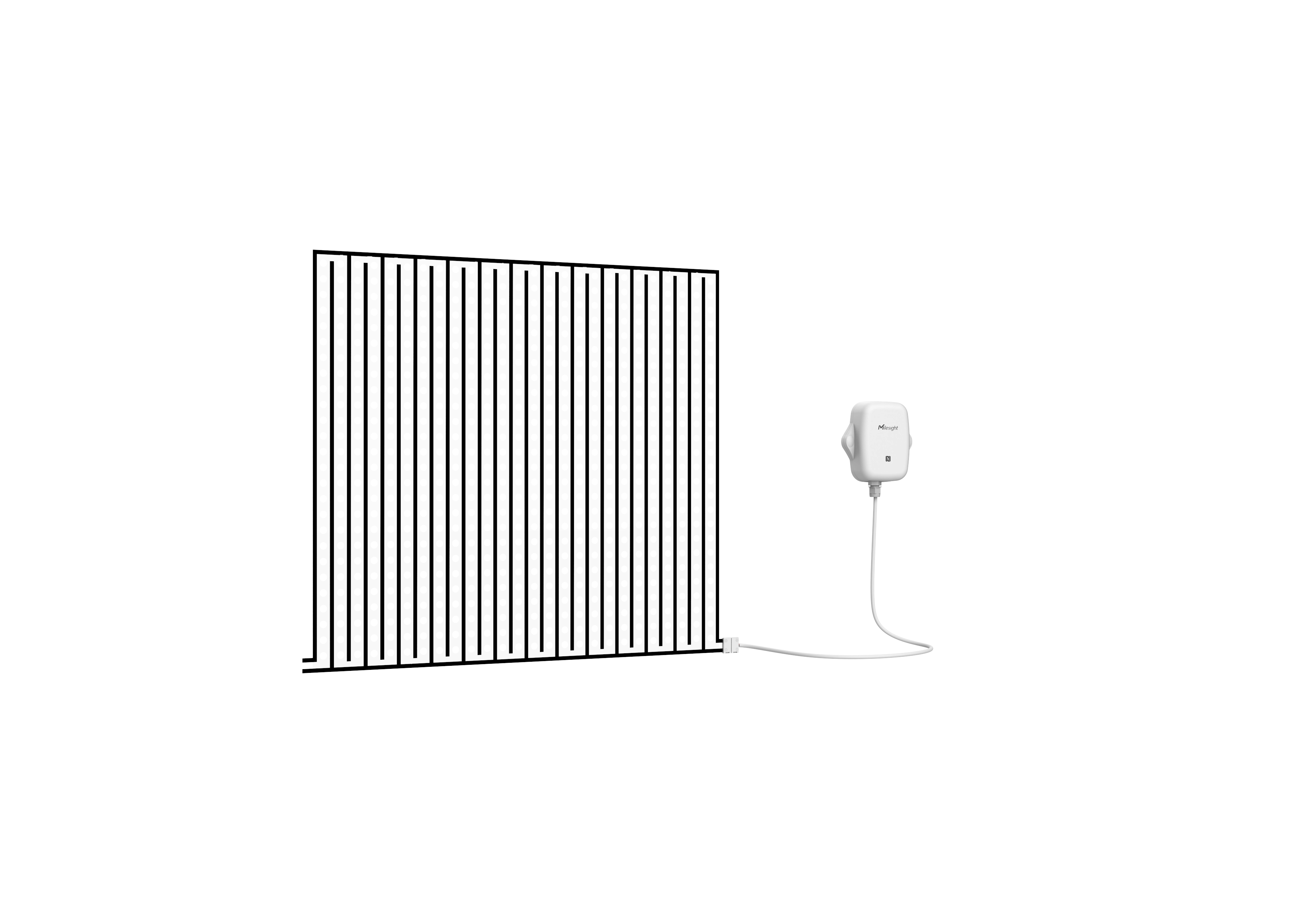
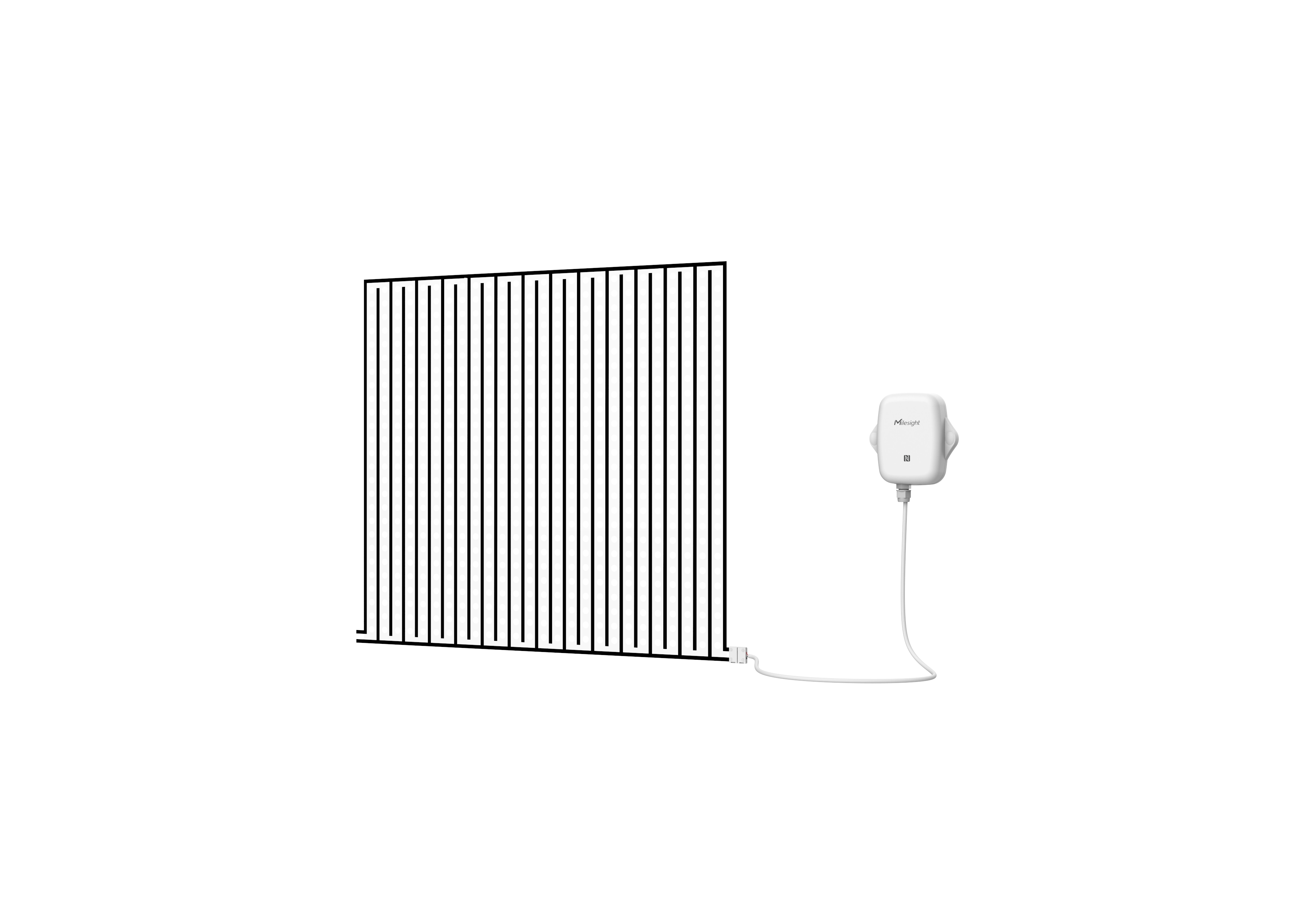
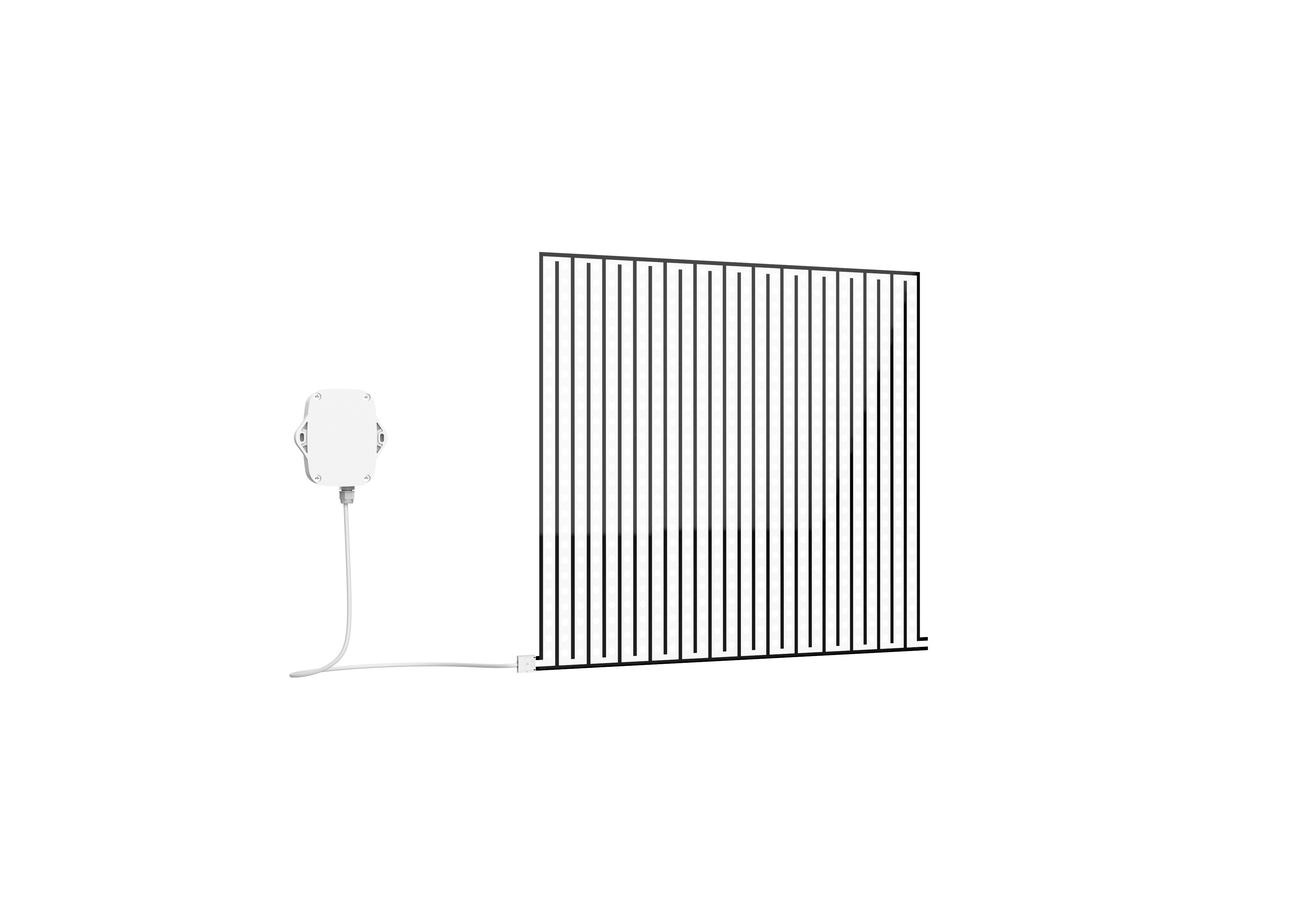
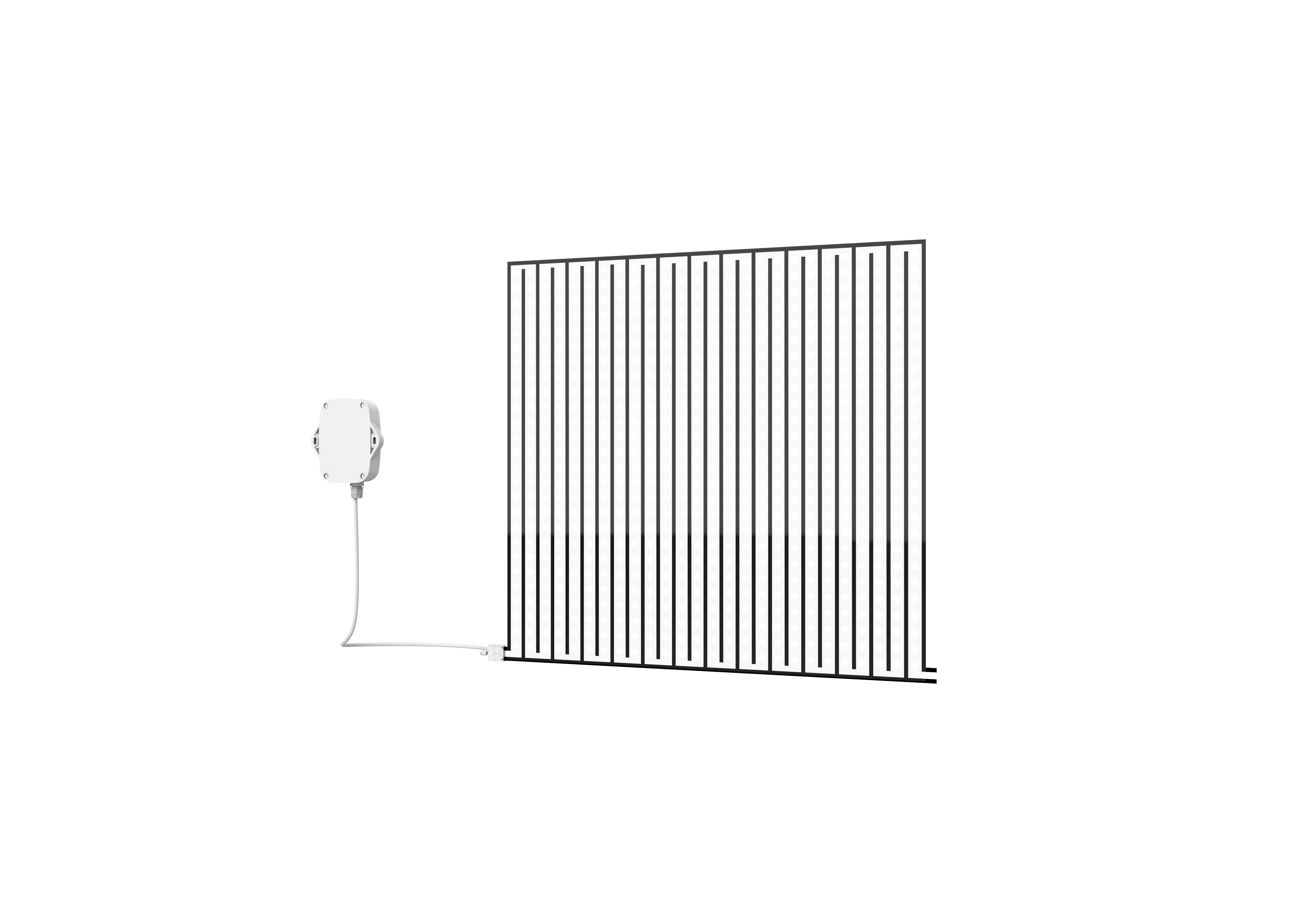
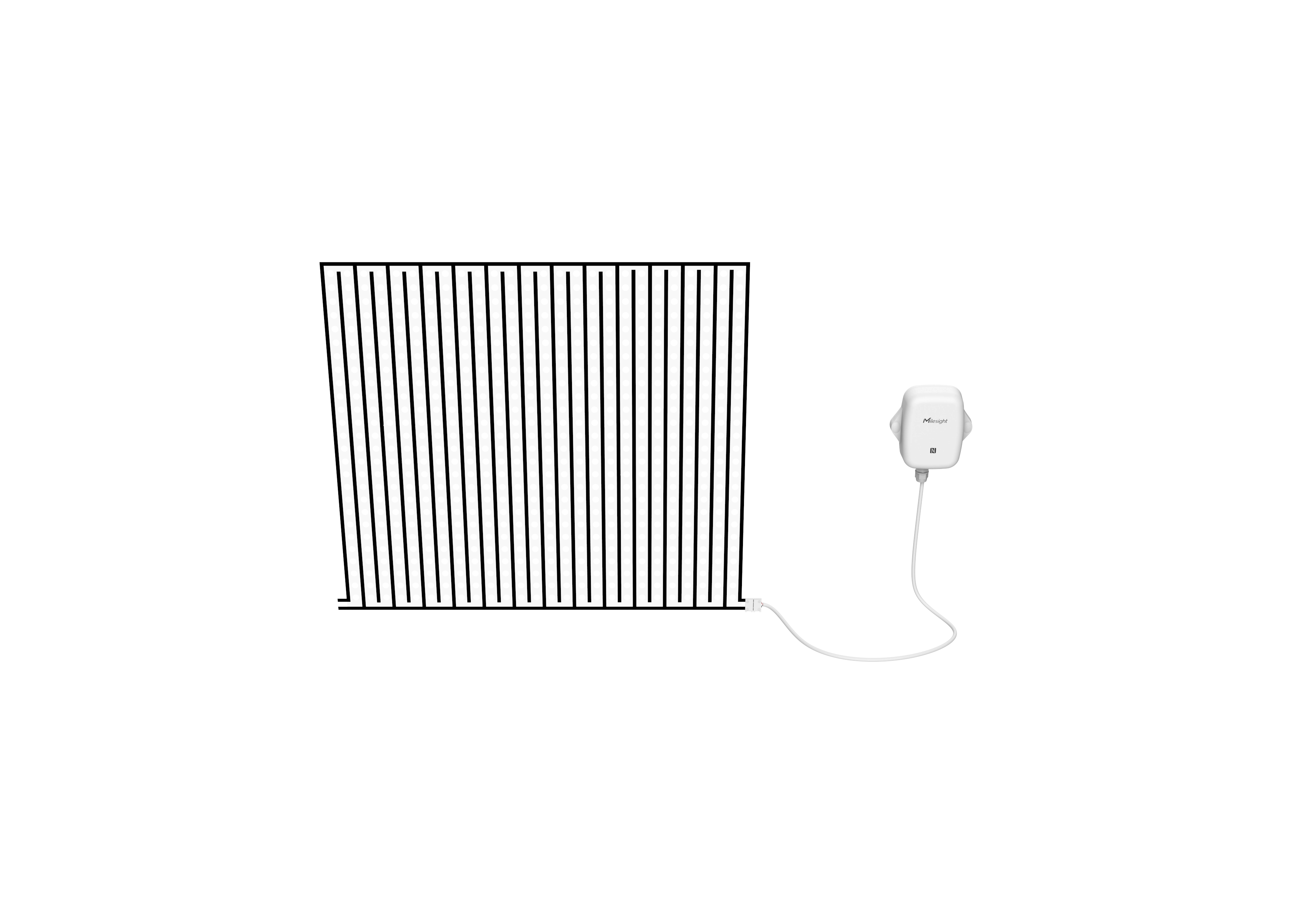
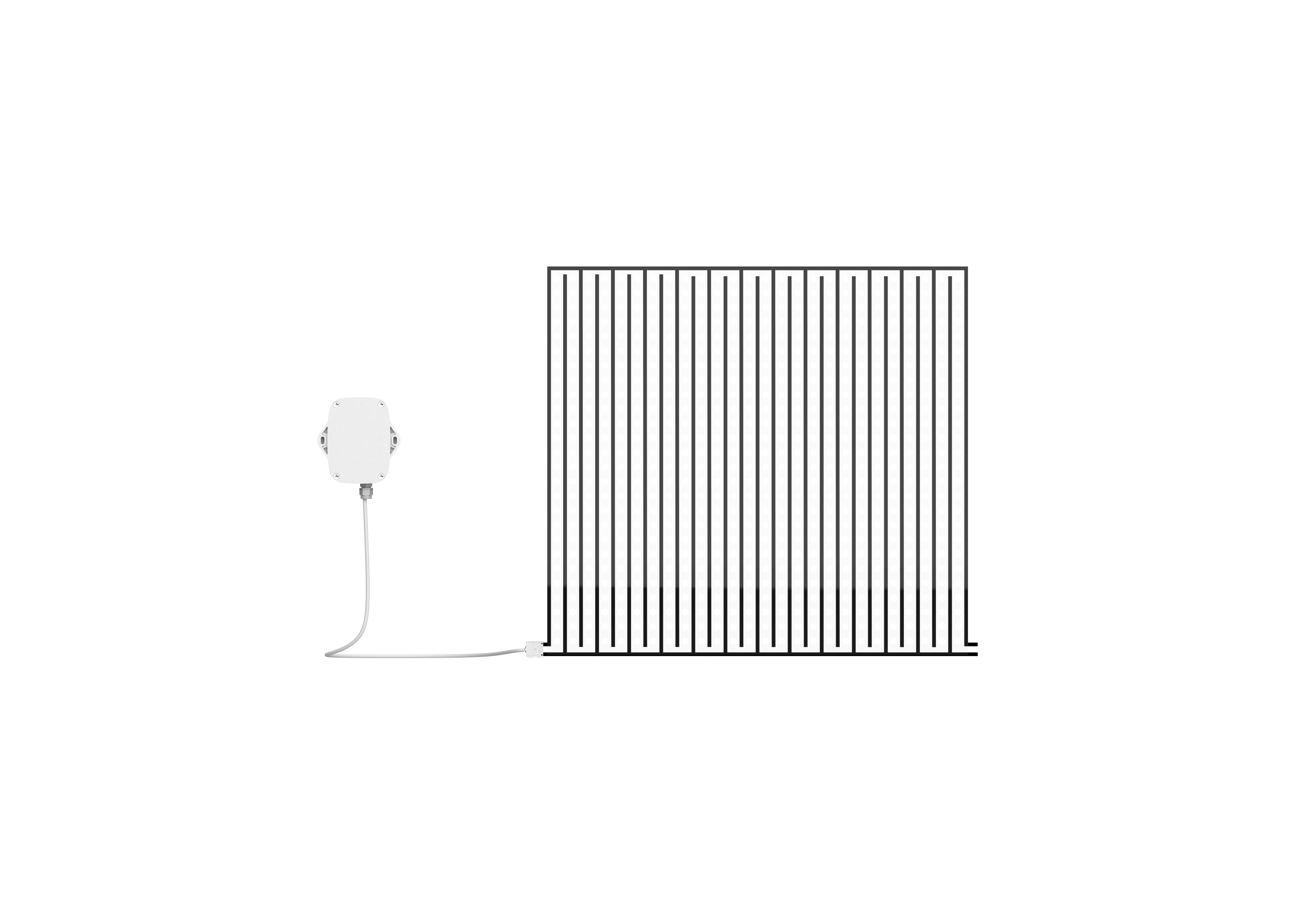
Milesight EM300-MLD-868M is a membrane LoRaWAN liquid leak sensor designed for monitoring larger surfaces at risk of flooding. The flexible detection film measuring 400 × 400 mm detects the presence of conductive liquids such as water, weak acids, and weak alkalis.
The device is suitable for applications including beneath equipment, server rooms, warehouses, technical cabinets, and water installations. The IP67 enclosure, storage for 1000 records, data retransmission, Milesight D2D, and replaceable 4000 mAh battery provide reliable monitoring and rapid response to detected leaks.
Shipping costs are not included in the price.
Shipping costs are not included in the price.
Opis
Produkty powiązane
EM300-MLD — Leak Monitoring Across a Larger Area
Milesight EM300-MLD is a wireless sensor designed for rapid detection of leaks, spilled water, and surface moisture.
Instead of a point electrode or detection cable, the device uses a flexible membrane measuring 400 × 400 mm. This allows a larger area to be monitored and liquid to be detected regardless of the exact location where it appears on the protected surface.
Larger Detection Area and Rapid Leak Notification
400 × 400 mm Membrane
The large detection surface increases the area protected by a single sensor compared with a typical point detector.
Conductive Liquids
The sensor responds to water and other conductive liquids, including weak acids and weak alkalis.
Alarm via LoRaWAN
Information about detected liquid can be immediately transmitted to the supervisory system and used to alert personnel.
Where Can the EM300-MLD Be Used?
Flexible Membrane Instead of a Single Measurement Point
The Leak Does Not Need to Appear Directly at the Sensor
With a conventional point sensor, liquid must reach the electrodes directly. The EM300-MLD uses a membrane covering a much larger area, allowing it to detect water appearing at different locations within the protected area.
This solution is particularly suitable beneath equipment and installations where the exact direction of leak spread is difficult to predict.
The Membrane Can Be Adapted to the Protected Surface
Can Be Cut to Size
The standard membrane can be cut vertically to better fit the shape of the monitored space.
3M Tape Mounting
The thin detection film can be mounted directly on the protected surface using 3M tape.
Reusable Membrane
After the liquid is removed and the membrane is dried, it can be reused for continued leak monitoring.
Local Response Without Waiting for the Cloud System
The EM300-MLD supports Milesight D2D communication, allowing an event to be transmitted directly to a compatible Milesight device without using a LoRaWAN gateway or server.
The function can be used, for example, to locally activate an alarm, relay, or another automation component immediately after a leak is detected.
Local Storage and Retransmission
1000 Records
The device can locally store up to 1000 historical records.
Retransmission
Data stored during temporary loss of connectivity can be retransmitted after network communication is restored.
Data Recovery
The Data Retrievability function enables historical information stored directly in the device to be retrieved.
IP67 Enclosure and Wide Temperature Range
IP67
The transmitter enclosure is protected against dust and water, increasing reliability in technical and industrial rooms.
−30…+70°C
The wide operating temperature range enables the device to be used in various environmental conditions.
Flexible Mounting
The module can be mounted using screws, 3M tape, or cable ties depending on installation conditions.
Communication, Power Supply and Design
* The manufacturer specifies approximately 10 years of operation at SF7, EU868, a temperature of 25°C, and assuming approximately one hour of leak status per day. At SF10 / EU868, the declared battery life is approximately 5,3 years. Actual battery life depends on configuration, communication quality, and event frequency.
EM300-MLD in a Leak Monitoring System
Information about detected liquid can be transmitted via LoRaWAN to a gateway and then to a central platform. This makes it possible to monitor multiple points at risk of flooding and automatically generate alarms.
Membrane leak detection sensor
Nowości
-
Gross price $270.60incl. %s VATNet price $220.00without 23% VAT


