



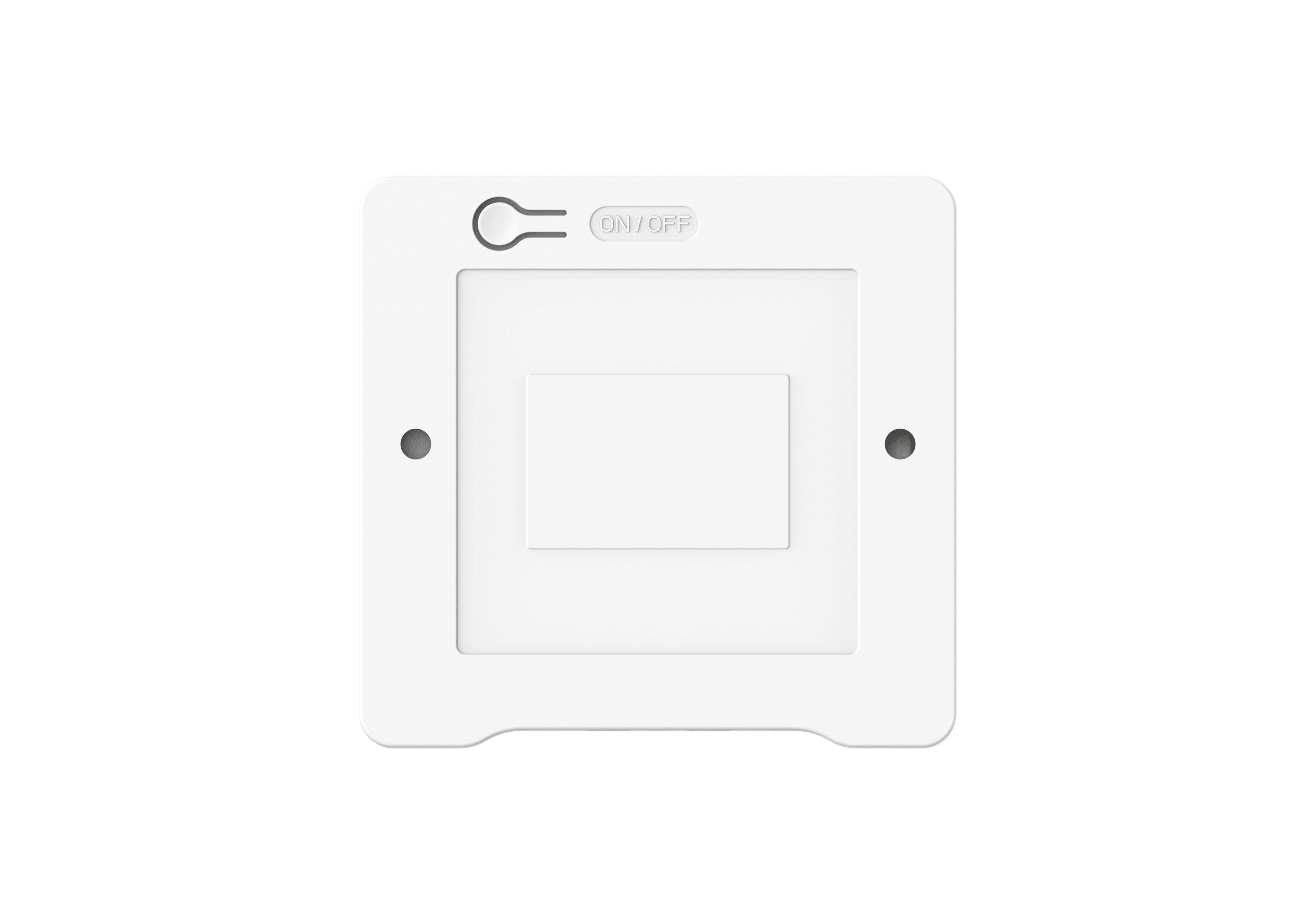


Indoor environmental monitoring sensor with display
Vendors's code:
Product code: AM103-868M
Barcode:
Code 39:
ISBN:
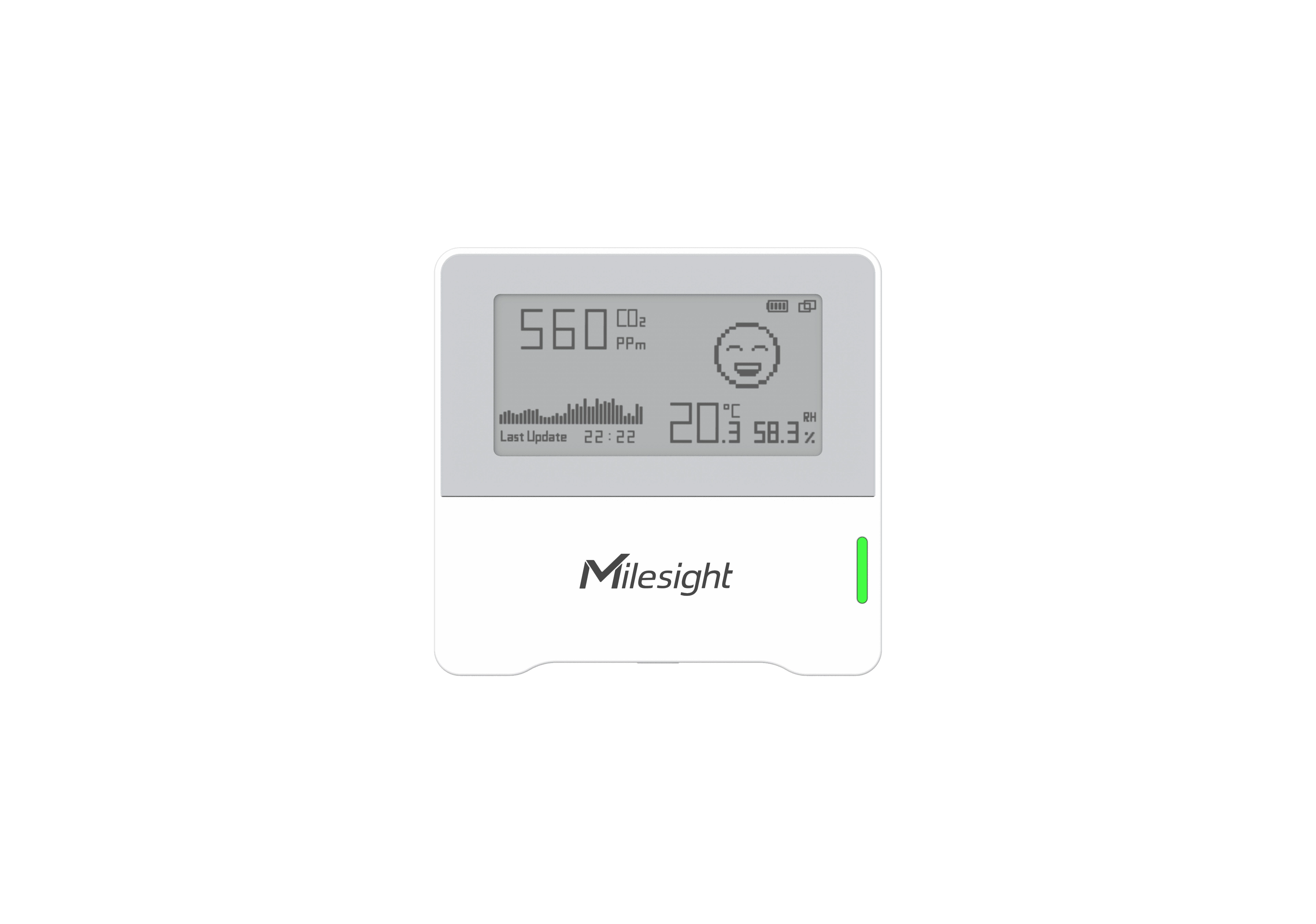
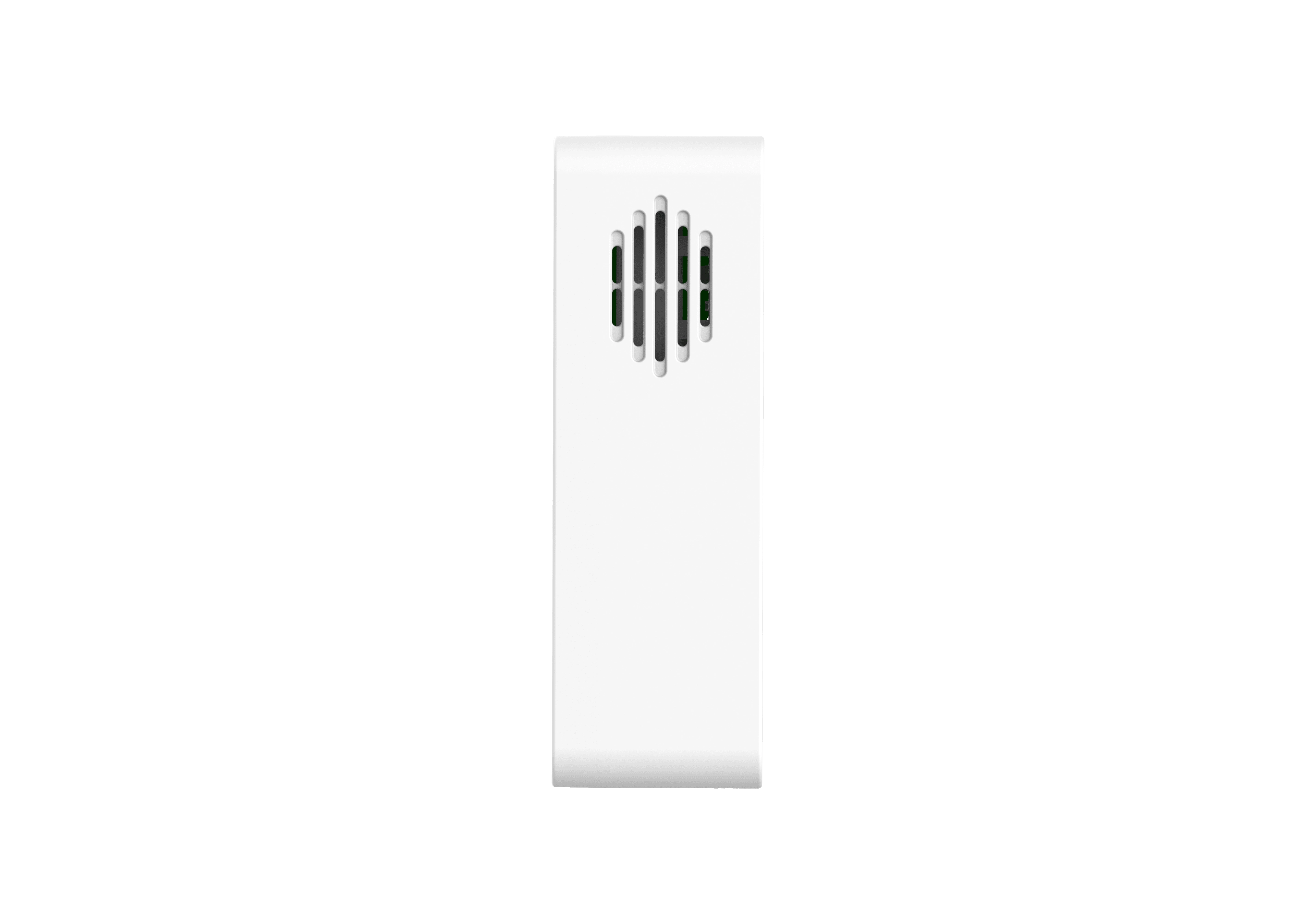
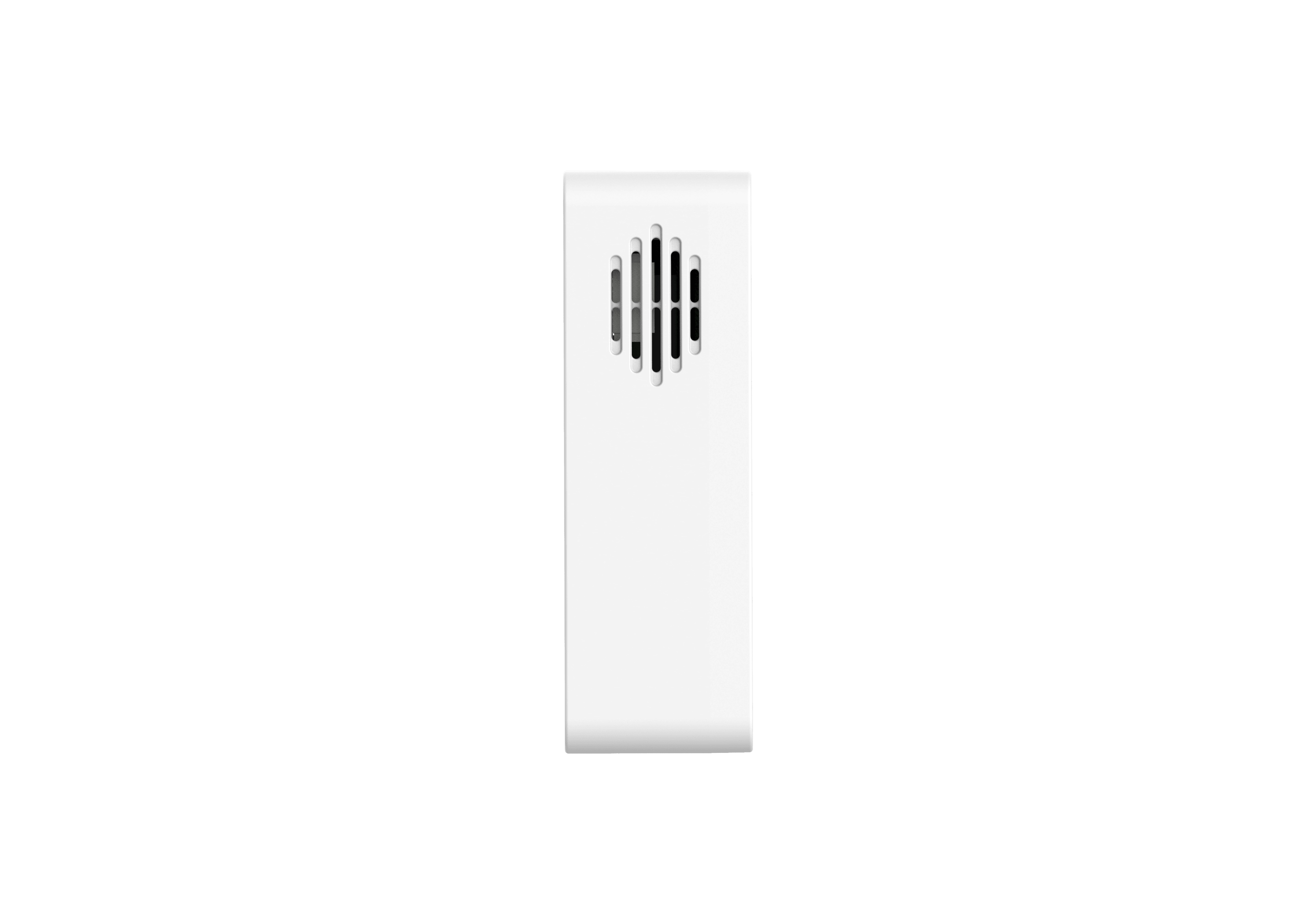
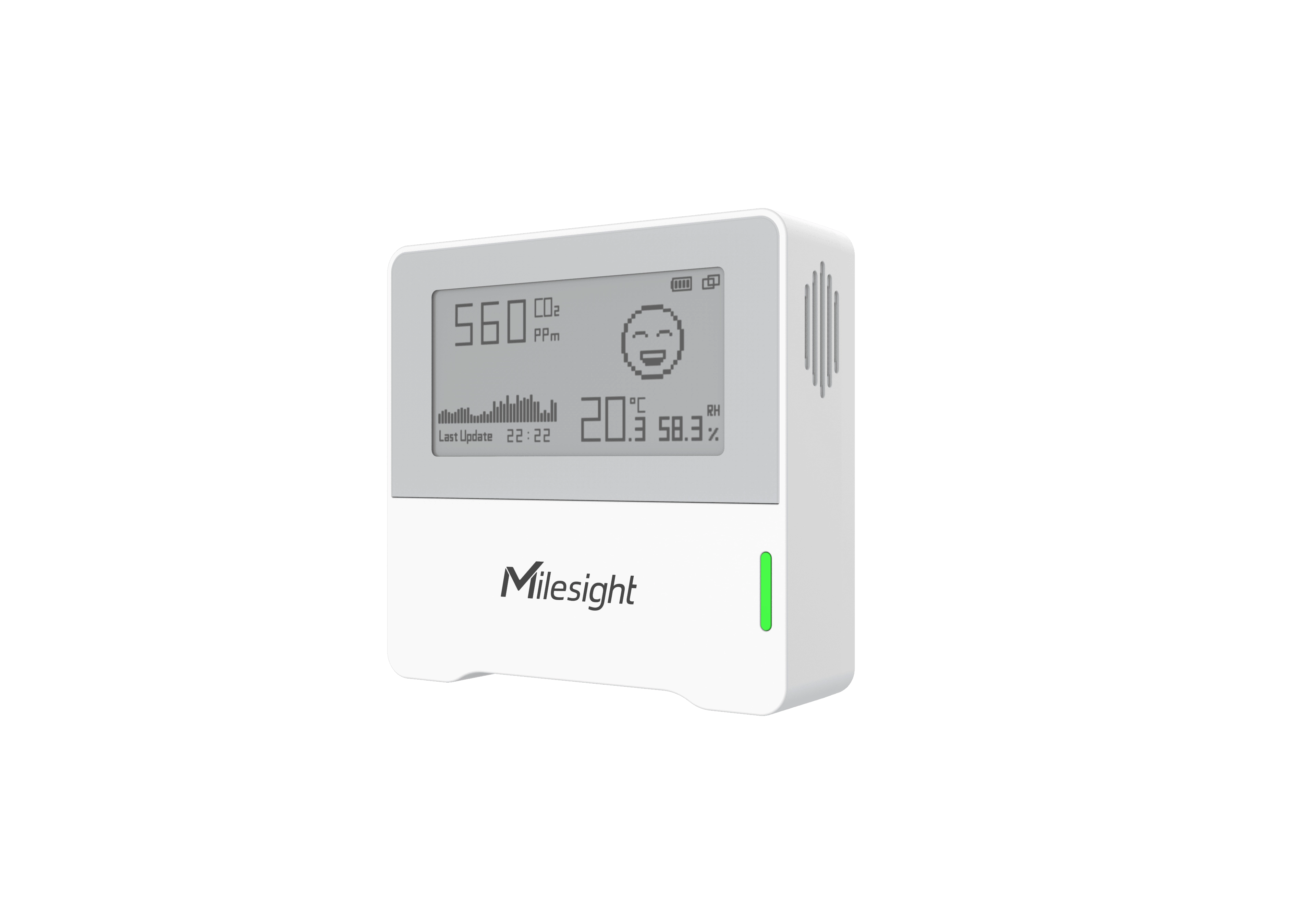
Milesight AM103-868M is a compact air quality sensor 3 in 1 with LoRaWAN communication and a 2,13-inch E-Ink display. The device monitors concentration CO₂ within a range of 400–5000 ppm, temperature from −20…+60°C and humidity from 0–100% RH.
The clear E-Ink display, graphical condition assessment, and Traffic Light indicator make it possible to quickly check air quality without using an app. The sensor features storage for 640 Records, data retransmission, NFC configuration, and two replaceable 2700 mAh batteries, providing approximately 4,5 years of operation at SF7/EU868 under the manufacturer's test conditions.
Shipping costs are not included in the price.
Shipping costs are not included in the price.
Opis
Produkty powiązane
AM103 — CO₂, Temperature and Humidity on One Display
Milesight AM103 is a compact air quality sensor designed to monitor basic parameters affecting comfort and indoor environmental quality.
The device measures carbon dioxide concentration, temperature, and humidity, while current results are presented on a 2,13-inch E-Ink display. Data can simultaneously be transmitted via the LoRaWAN network to a central monitoring system.
Key Air Quality Parameters in One Device
3-in-1 Monitoring
One device measures CO₂, temperature, and humidity, reducing the number of separate sensors required in a room.
E-Ink 2,13"
The energy-efficient display provides a local view of parameters and an intuitive assessment of air quality.
Up to 4,5 Years of Operation
Two replaceable 2700 mAh Li-SOCl₂ batteries enable many years of operation without a permanent power supply.
Where Can the AM103 Be Used?
Key Comfort and Ventilation Parameters
NDIR CO₂ Measurement
CO₂ concentration is one of the most important indicators for assessing ventilation effectiveness in spaces occupied by people.
Accurate Temperature and Humidity Measurement
2,13-inch E-Ink Display
The AM103 features a black-and-white E-Ink display that presents current parameter values and information about indoor environmental quality.
Clear symbols and emoticons allow users to quickly assess conditions without having to analyse numerical values alone.
Traffic Light Indicator for CO₂ Level
Green
Indicates good conditions and a low CO₂ level according to configured thresholds.
Yellow
Indicates deteriorating conditions and the need to pay attention to ventilation.
Red
Indicates a high CO₂ level and that the configured threshold has been exceeded.
CO₂ Data as an Indicator of Air Exchange Quality
Rising CO₂ concentration in an occupied room may indicate insufficient air exchange. Continuous monitoring makes it possible to detect such situations more quickly and assess ventilation performance.
Data from multiple AM103 units can be collected centrally and used to analyse conditions in different rooms within one building.
Smart Screen Mode and Screen Hibernate Mode
Smart Screen
Reduces screen refresh frequency when values are stable, helping reduce power consumption.
Screen Hibernation
The Screen Hibernate Mode function helps reduce battery consumption during specified operating periods.
Remote Configuration
Operating parameters can be configured locally via NFC or remotely through LoRaWAN downlink commands.
Local Storage and Retransmission
640 Records
Built-in memory can locally store up to 640 historical records.
Retransmission
Data stored during temporary communication loss can be retransmitted after the LoRaWAN connection is restored.
Data Retrievability
Historical data stored in the device can be retrieved by the system.
Communication, Power Supply and Design
* The current Milesight technical table specifies approximately 4,5 years of operation at SF7 / EU868 and approximately 3 years at SF10 / EU868 for a 10-minute reporting interval and a temperature of 25°C. Actual battery life depends on settings, screen refresh frequency, radio conditions, and temperature.
AM103 in an Air Quality Monitoring System
CO₂, temperature, and humidity data can be transmitted via LoRaWAN to a gateway and then to a central monitoring platform, enabling analysis of conditions in multiple rooms.
Indoor environmental monitoring sensor with display
Nowości
-
Gross price $270.60incl. %s VATNet price $220.00without 23% VAT


